

Therapeutic Plasma Exchange in West Hollywood
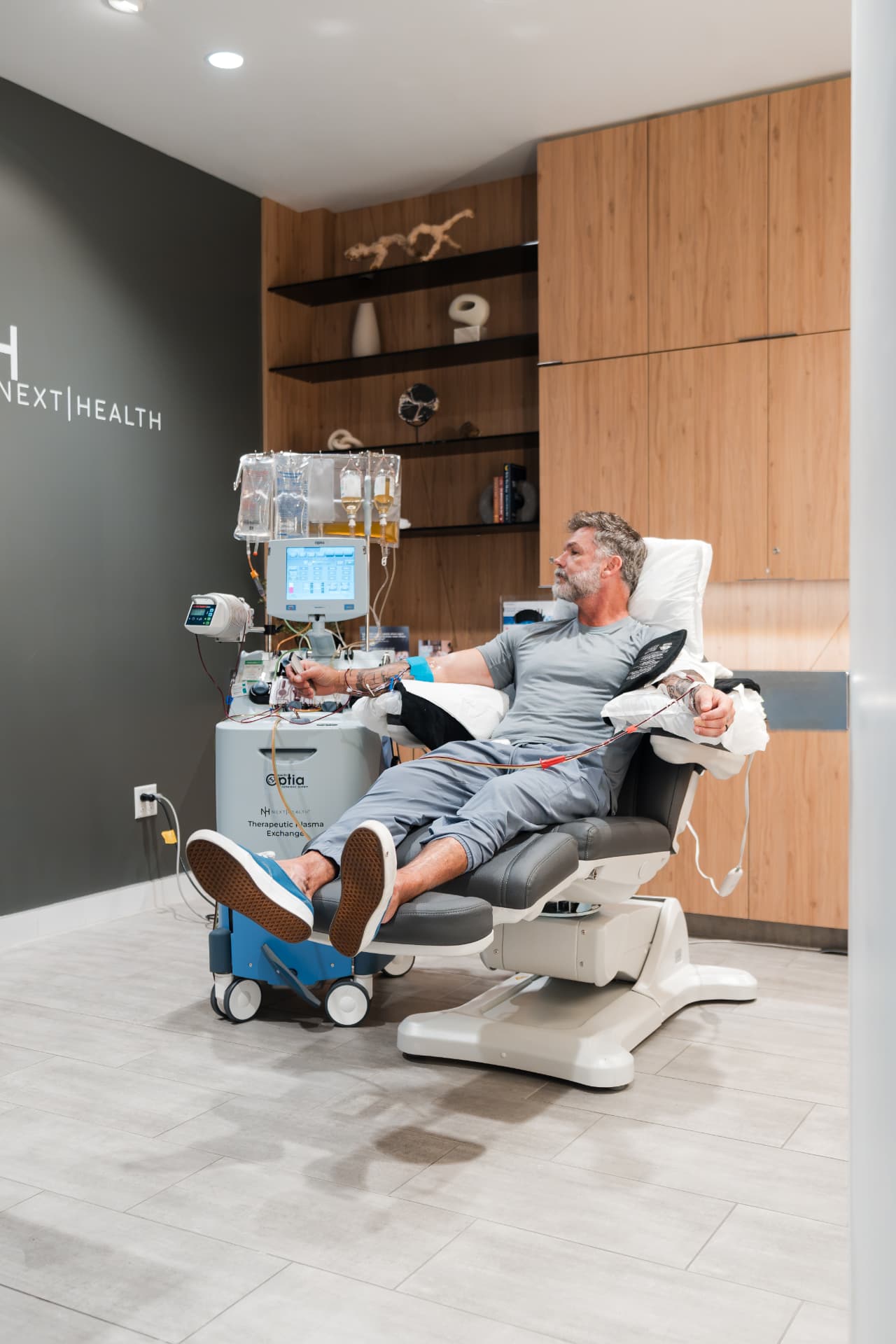
Therapeutic Plasma Exchange (TPE) in West Hollywood is a clinician-supervised medical procedure in which a portion of the blood’s plasma is removed and replaced with a sterile albumin solution.
Why West Hollywood
Therapeutic Plasma Exchange at Next Health West Hollywood
People in West Hollywood often ask about Therapeutic Plasma Exchange when exploring clinician-supervised services. At Next Health’s West Hollywood clinic, located at 8570 Sunset Blvd., Suite 6.1A, West Hollywood, CA 90069, the conversation starts with a review of medical history, lab work and what the procedure involves.
How TPE works
Blood is drawn and passed through equipment that separates plasma from blood cells. The separated plasma is removed, and the blood cells are returned to you with an albumin and saline replacement solution. A clinician reviews the procedure and its risks before treatment.
The process in West Hollywood
- Consultation and lab work with a West Hollywood physician
- Medical history review, eligibility assessment and protocol planning
- The exchange itself, roughly two to three hours in a private suite
- Follow-up lab work and review with the clinical team
TPE is a medical procedure and is only performed after a physician has reviewed your labs and history. Our West Hollywood team will discuss candidacy and answer questions before a session is scheduled.
Think of it as an oil change for your body.
Your plasma (the liquid portion of your blood) is the carrier system for everything your body does: oxygen, nutrients, hormones, signals, repair. It is also, over time, the accumulator of everything your body has been exposed to. Inflammatory proteins from decades of stress and infection. Autoantibodies that contribute to autoimmune symptoms. Microplastics and environmental toxins that lodge in plasma. The proteins associated with neurodegeneration. Aging is, in part, the accumulation of these toxins, stress molecules, and garbage proteins in your plasma. Plasma exchange is the most efficient and effective way to remove these.
Therapeutic Plasma Exchange addresses this directly. The plasma: the liquid component of your blood, is removed through a clinical apheresis machine. The red blood cells and immune cells are separated and returned to your body unchanged. The removed plasma is replaced with sterile albumin solution, giving your organs cleaner blood to work in.
This is currently the most advanced single-session longevity treatment available at Next Health. It is performed under direct physician supervision, with monitoring throughout, and with comprehensive biomarker testing before and after.
"In thirty years of practice I've watched longevity medicine evolve from supplements and hormone replacement to peptides and stem cells. TPE is the next frontier. It's the only intervention I know of that directly addresses the accumulated molecules in your blood that drives age-related decline."
HOW IT WORKS
TPE: The procedure.
TPE is a clinical apheresis procedure performed under physician supervision. Here is what happens during a session.
- Duration: 2–4 hours per session, outpatient
- Comfort: Private treatment room with reclining chair, refreshments, and entertainment options
- Post-session: Most patients return to normal activities the next day. Optional post-session biomarker testing available.
Pre-Session Biomarker Testing
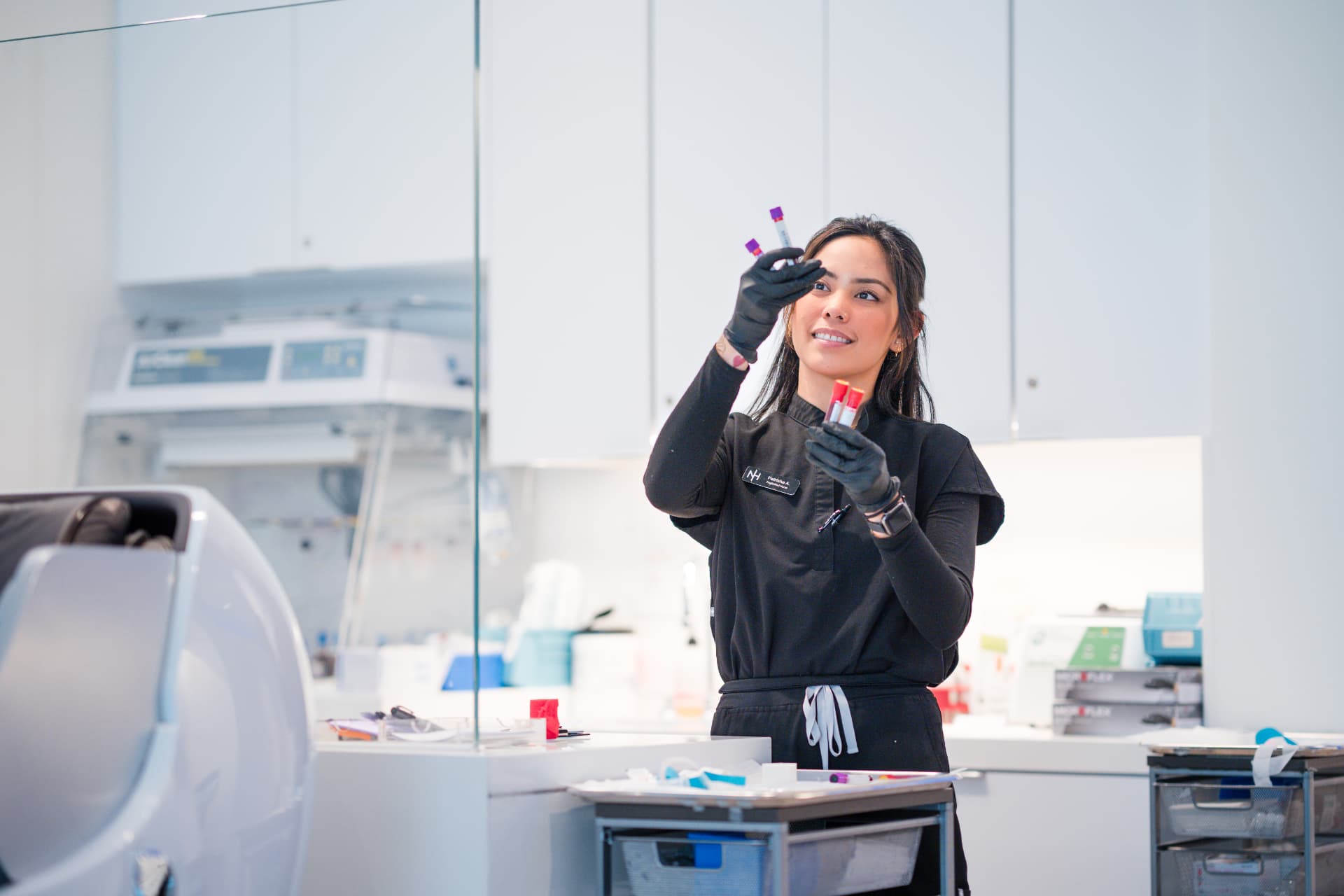
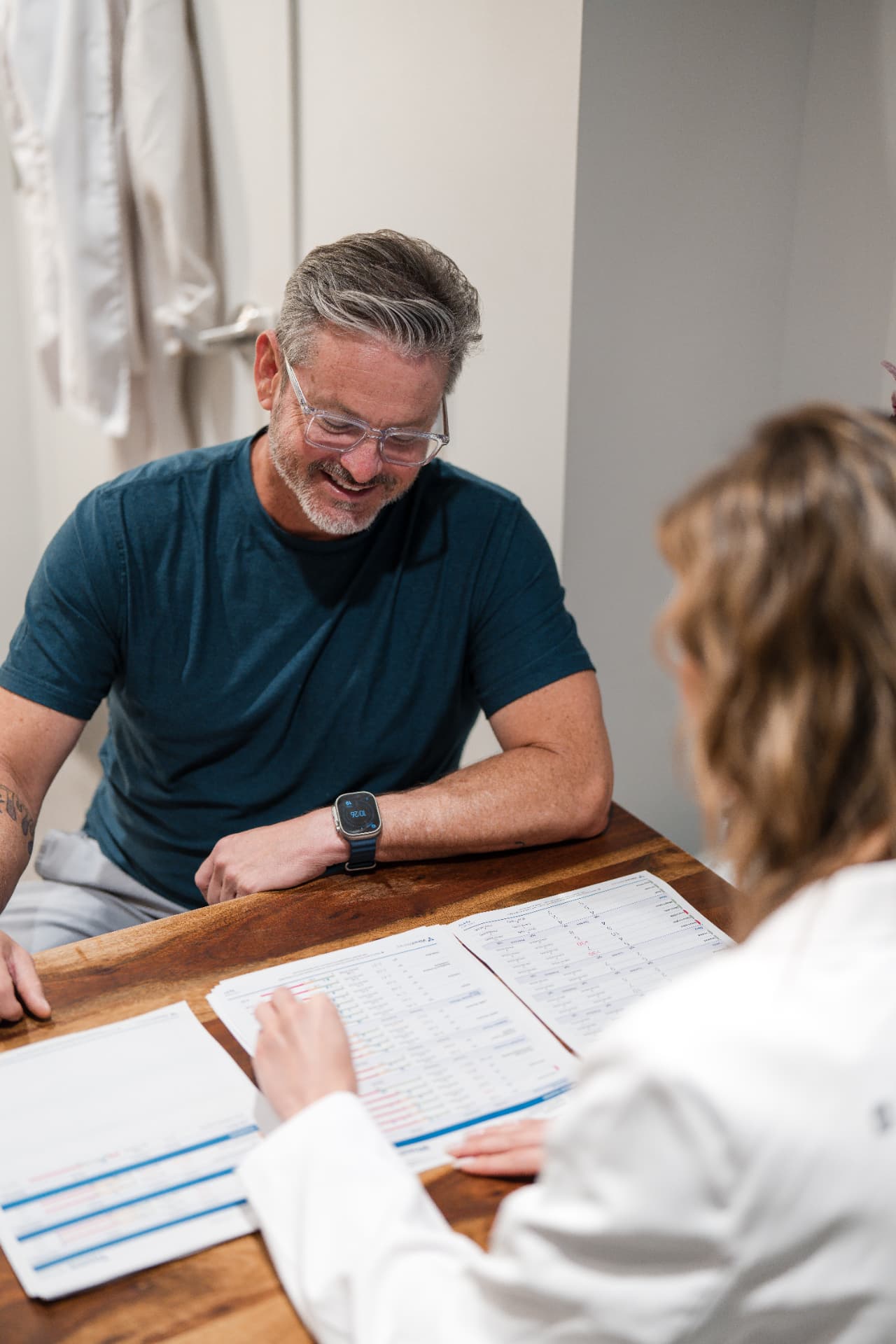
Before each TPE series you receive testing. Inflammatory markers, nutrient levels, hormone panel, and accumulated toxin profile (heavy metals, mycotoxins, environmental toxicants). The diagnostic foundation that lets us measure the impact on your biology.
The Apheresis Process
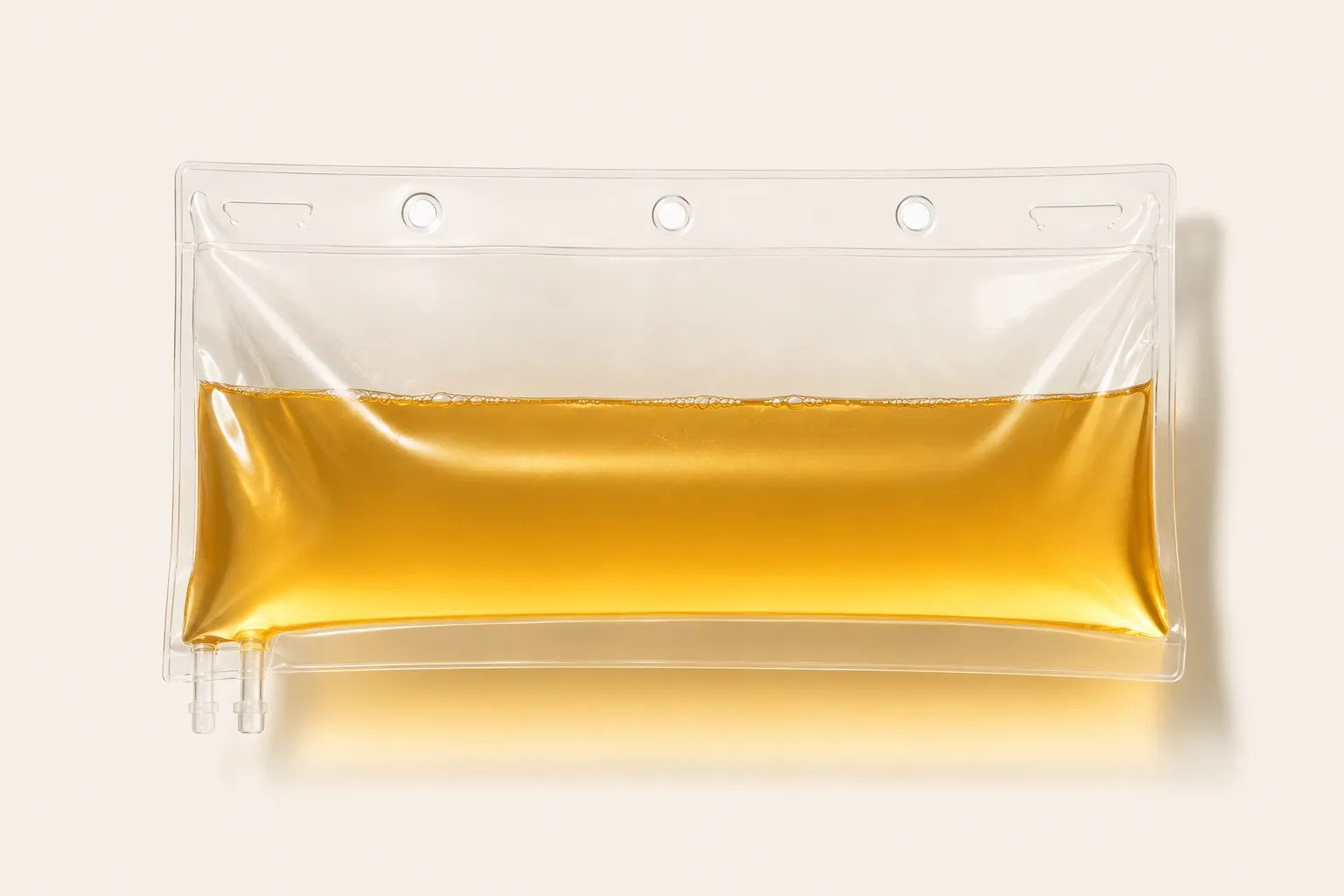
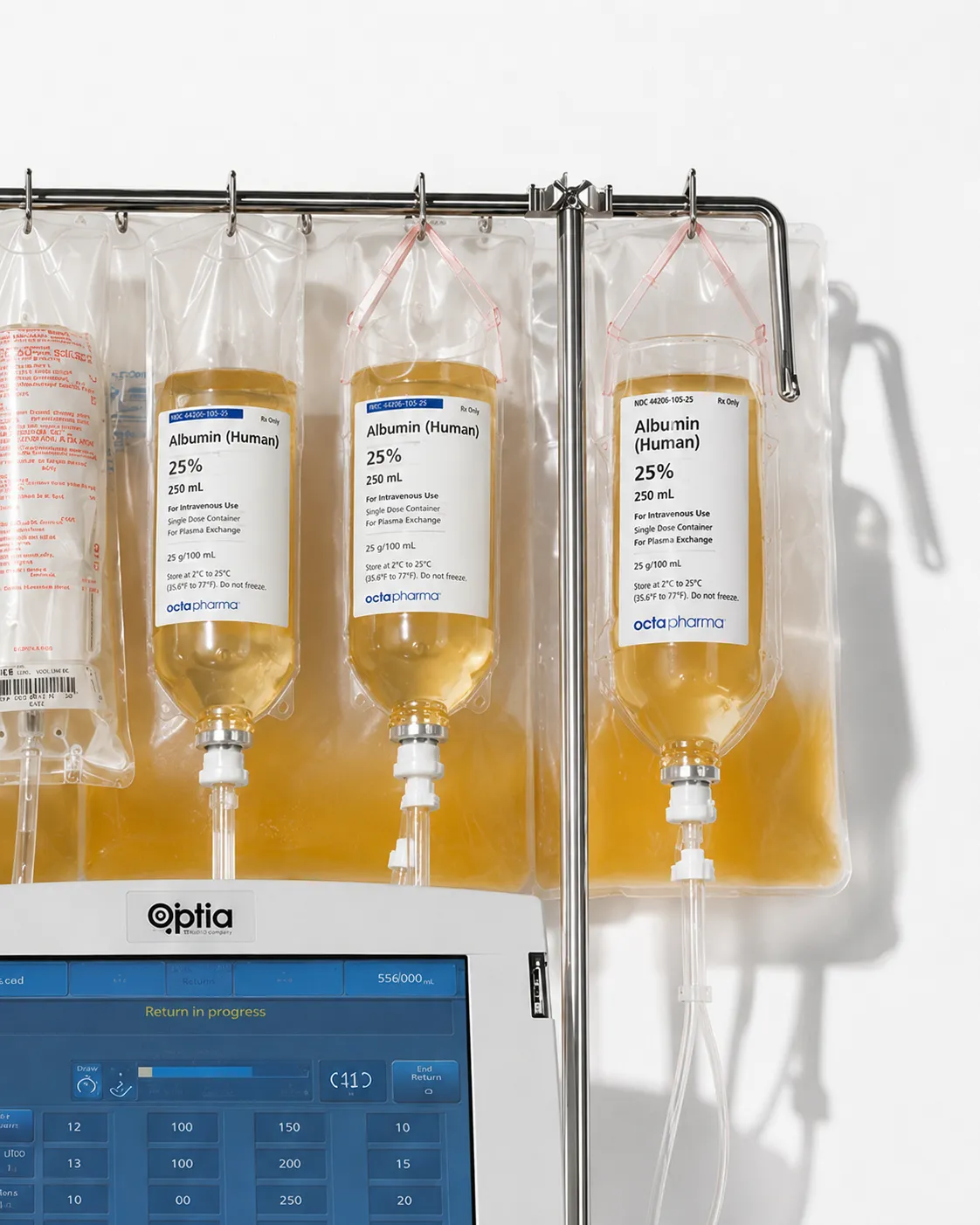
A trained apheresis nurse establishes IV access. Your blood is drawn into the apheresis machine, which uses centrifugal force to separate components: red blood cells, white blood cells, platelets, and plasma. The cellular components are immediately returned to your body unchanged. The plasma is collected and discarded.
Albumin Replacement
As your plasma is removed, sterile 5% albumin solution is simultaneously infused as the replacement fluid. Albumin is the most abundant protein in healthy human plasma. Replacing your plasma with fresh albumin restores the optimal internal environment without reintroducing the inflammatory proteins, autoantibodies, and accumulated waste filtered out.
PRICING
$8,500 - $10,000
Not covered by insurance. May be HSA eligible.
Package and membership discounts available.
THE SCIENCE
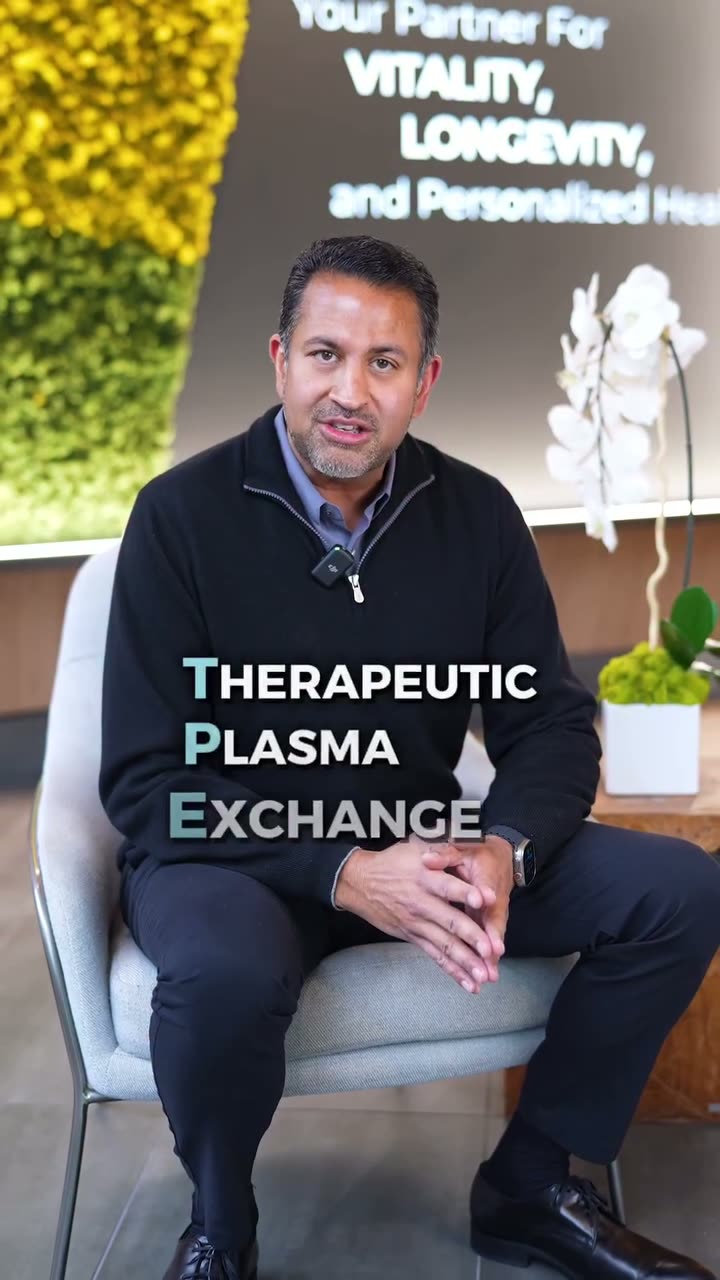
Watch Dr. Shah explain TPE, and review the research that backs it.
Dr. Darshan Shah, MD, Chairman and physician founder of Next Health, board-certified surgeon, longevity medicine practitioner: explains the science, the procedure, and the role of TPE in a modern longevity protocol.
The clinical evidence base for TPE in longevity is among the fastest-growing in modern medicine. Originally FDA-approved for specific medical indications, TPE is increasingly being investigated for its broader effects on biological aging, neurodegeneration, and systemic inflammation.
The mechanism is well-characterized. Plasma is the medium in which inflammatory proteins, autoantibodies, microplastics, environmental toxicants, and disease-associated proteins like beta-amyloid accumulate over decades. Removing this plasma and replacing it with fresh albumin solution directly evacuates these substances from circulation.
Key Studies
The TPE research landscape is evolving quickly. We continually update our reference list as new peer-reviewed studies are published. Want our full research bibliography? Request the TPE white paper at consultation.
TPE PROTOCOLS
Combination protocols built around TPE.
Therapeutic Plasma Exchange delivers the most impact when it is paired with the diagnostics and therapies that address your specific biology. These are our signature TPE-anchored protocols: each combining plasma exchange with the other modalities available at Next Health.
IS THIS RIGHT FOR YOU?
Who Plasma Exchange is built for.
TPE is powerful when it's matched to the right clinical picture. These are the patterns we see most often. PLEASE NOTE: no claims are made as to whether this therapy is going to cure or treat any particular disease. Plasma exchange, being FDA-approved for other conditions, is being used off-label for these types of patients. Potential therapeutic applications

The Patient with Elevated Inflammation or Lipid Markers
Your bloodwork shows persistent elevation of hs-CRP, ApoB, Lipoprotein(a), or other markers that suggest your internal environment has accumulated more inflammatory and atherogenic burden than is healthy. You've worked on the lifestyle factors. The numbers are still high. TPE addresses the accumulated burden directly.

The Patient with Neurodegeneration
If you have cognitive impairment from neurodegeneration you may want to discuss whether this treatment is appropriate with your physician. Your Next Health physician will review your history and help you decide.

The Longevity-Forward Optimizer
You read the science. You already have the foundations in place and want to explore what else a physician-supervised plan can include. TPE is one option your physician may discuss with you.

The Patient Recovering from a Major Health Event
Long illness. Recovery from chemotherapy. Post-COVID syndromes. A period of chronic inflammation, infection, or environmental exposure that has left your biology in a state that doesn't match where you want to be. TPE is the most direct way to restart the internal environment of your blood.
The Patient with Substantial Environmental Toxicant Burden
Your Total Tox Burden testing shows meaningful heavy metals, mycotoxins, microplastics, or environmental toxicants in your system. Detoxification protocols have been partially helpful but haven't fully cleared the burden. TPE directly removes plasma-bound toxicants in a way gradual detox cannot match.

The Patient with an Autoimmune Condition
Hashimoto's, lupus, rheumatoid arthritis, MS, psoriasis, or another autoimmune disease is driving chronic inflammation and circulating autoantibodies through your system. Standard therapies help manage symptoms but don't clear the underlying immune complexes. TPE is used clinically to remove pathogenic antibodies and inflammatory mediators directly from plasma, resetting the immune environment in a way medication alone cannot.
THE EXPERIENCE
From consultation to post-session: what your TPE day looks like.
FAQ
Therapeutic Plasma Exchange in West Hollywood: common questions
What is Therapeutic Plasma Exchange?
TPE is a medical procedure that separates plasma from blood cells, removes a portion of the plasma and returns the blood cells with a replacement solution containing albumin and saline.
How long does a TPE session take at the West Hollywood clinic?
The exchange itself takes roughly two to three hours in a private suite. The clinic team can explain what preparation and follow-up involve.
Who can schedule TPE at Next Health West Hollywood?
People interested in TPE begin with a consultation. A physician reviews medical history and lab work to assess eligibility before a treatment session is scheduled.
Where is the Next Health West Hollywood clinic?
The clinic is located at 8570 Sunset Blvd., Suite 6.1A, West Hollywood, CA 90069. Contact the clinic to ask about a TPE consultation and what to bring.
Hours (local time, PT)
- Monday9:00 AM – 7:00 PM
- Tuesday9:00 AM – 7:00 PM
- Wednesday9:00 AM – 7:00 PM
- Thursday9:00 AM – 7:00 PM
- Friday9:00 AM – 7:00 PM
- Saturday9:00 AM – 7:00 PM
- Sunday9:00 AM – 7:00 PM
Book this treatment
Speak with the team at Next Health West Hollywood about therapeutic plasma exchange.
Also at Next Health West Hollywood
IV Therapy
Clinician-formulated intravenous drips built around your labs and your goals.
Hyperbaric Oxygen Therapy
Pressurized oxygen sessions that support recovery, cognition and tissue repair.
NAD Therapy
NAD+ infusions and injections for cellular energy, mental clarity and recovery.
Executive Physical
A full diagnostic day: advanced imaging, deep labs and a physician-built health blueprint.
EBOO / Ozone Therapy
Extracorporeal blood oxygenation and ozonation: filtered, oxygenated blood returned to circulation.
Red Light Therapy
Full-body LED light sessions in a clinician-guided setting.
Cryotherapy
Brief whole-body cold sessions in a temperature-controlled chamber.
Hormone Therapy
Physician-led hormone evaluation and personalized plans, starting with labs.
Infrared Sauna
Private infrared sauna sessions in a calm, clinical setting.
Weight Optimization
Physician-supervised weight programs built around your labs and goals.
Ammortal Chamber
Guided sessions in the Ammortal Chamber, combining light, sound and breathwork.
Aesthetics
Clinician-led aesthetic treatments planned around your goals.